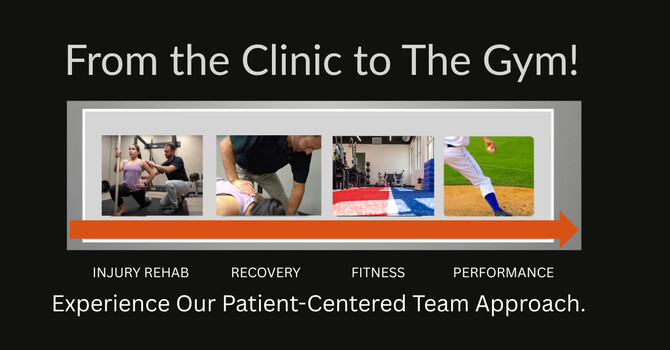
Rehabilitation (Movement Preparation)
Tissue Therapy
Soft tissue work via a lacrosse ball, foam roller, stick roller or trained chiropractor/manual therapist reduces muscle tension, relieving soreness and pain. Research has shown it can even cause a short-term increase in flexibility. This gives us a window of opportunity to have better success with learning new movements that may have been otherwise limited by reduced flexibility and pain.
Static & Dynamic Stretching
Static stretching is holding a tissue in a lengthened position for a period of time. Research has shown you can create a long-term length change in tissues with static stretching, but it takes a lot more time than most people think. A lack of tissue length is a causative factor in many of the gradual onset injury conditions that plague today’s athletes and aging adults. Overuse problems like patella-femoral syndrome, low back and shoulder pain can be mitigated with time spent static stretching. So think of static stretching for long-term injury prevention. In the short-term, static stretching can cause an increased stretch tolerance and temporary increase in flexibility. This gives us a window of opportunity to train movements through a greater range of motion with less pain than we could otherwise.
Dynamic stretching is moving your muscles and joints through their entire range using a controlled speed. You do not hold dynamic stretches. The goal is to explore your full capable range of motion and prime your joints and muscles for higher intensity exercise done later in the workout. Dynamic stretching significantly reduces the occurrence of acute injuries like hamstring and groin pulls.
Quite often, our static stretching and dynamic mobility work will be focused on the thoracic spine (upper back), shoulders, hips and ankles. Many years of experience working with athletes and the aging adult population have taught us these areas often have less than ideal motion. This can lead to acute and/or chronic injuries. Like the soft-tissue work, feel free to perform both static and dynamic stretching more frequently if you have the time.
Activation Drills
Hip muscle activation drills are used to learn the correct muscle timing for the hip extension/ abduction pattern and to establish proper motor control between the hips and lumbar spine. This reduces the risk of lumbar spine and hamstring injuries.
Likewise, shoulder muscle activation drills are used to learn the correct muscle timing for shoulder flexion/ abduction patterns and to establish proper motor control between the shoulders, upper back and neck. This reduces the risk of neck, upper back and rotator cuff injuries.
Besides reducing the risk of injury, activation drills also provide a great warm-up stimulus before we begin to lift heavy and move fast.
Motor Control/Movement Dysfunction Correctives FMS®
Motor Control/Functional Movement Corrective exercise is very simple, learning to disassociate hips from spine, shoulders from spine, and shoulders from neck.
Years of experience evaluating patients with back and neck pain have taught me that the majority of complaints of spine pain occur when bending forward, reaching overhead and/or twisting.
This pain can be completely eliminated almost immediately if the patient can learn to disassociate their limb movement from their spine during these basic fundamental movements.
Functional Fitness Training
Dynamic Warm-Up
The Dynamic Warm-up serves 3 main purposes:
1. To increase tissue temperature
2. To prime the nervous system for training
3. To practice the movements before adding load
Functional Strength
Using progressions and regressions makes determining appropriate/safe levels of training easier especially when coming off an injury or long period of inactivity.
Focus on training movements, not individual muscle groups. Depending on your ability level/ injury history, the goal for EVERY training program is to include a lower-body hip and knee dominant exercise, an upper-body push and pull exercise, and an “anti-” core exercise.
Assessing safe technique and attention towards how you feel is crucial for your program design. Each of the training parameters has a BASELINE training movement. Appreciate that the progressions for each movement are earned. Sometimes regressions are a necessary means to develop a stronger foundation for progressing safely.
The body is a living and dynamic being, and outside factors such as emotional stress, lack of sleep, injuries, etc. can and do happen to the best of us. The important thing is to recognize this and adapt.
Conditioning
Acceleration, Deceleration, Change of Direction:
Training for increasing speed, decreasing speed and changing direction drastically reduces the incidence of groin and hamstring injuries, and better prepares individuals for the demands of their sports and/or daily activities involving athleticism.
Interval training:
Interval training is a method of conditioning using alternating periods of work and rest. We prefer this method of conditioning over long, steady-state because it greatly reduces the risk of overuse injuries we commonly see in long distance runners.
Research has also shown the aerobic benefits to be very similar when comparing long steady-state exercise with short-bouts of higher intensity exercise in interval training.
Not only is interval training superior when it comes to aerobic fitness and injury reduction but many experts in the fat-loss industry agree a vigorous strength program, and interval work is better for burning fat.
We continue to see superior results in fitness, injury reduction and fat loss by incorporating interval training.
Note: This section may be left out initially if you are coming off an injury, long period of inactivity or have a low training history, but will certainly be added as soon and safely as possible.
Performance Training
Power
Training power is not just for athletes, but also good for the aging adult population. As a matter of fact, it’s not just good, it’s essential.
Research shows we lose strength with age, but we are losing power almost twice as fast. With that being said, we’re really at a disadvantage if we need to move fast.
Power is one of the major performance variables associated with independence, fall prevention and rehabilitation following injury. Clients who train for power will be more independent, fall less often, and recover faster after sustaining an injury.
Note: This section may be left out initially if you are coming off an injury, long period of inactivity or have a low training history, but will certainly be added as soon and safely as possible.
Recovery
Massage
Soft tissue work can enhance recovery through improved artery function, improved vascular endothelial function, and increased parasympathetic activity. In other words, not only does soft tissue work prepare the tissues for better movement, it can also expedite recovery.
Bottom Line
“Do no Harm”
“Do no Harm” is the most important rule of any training situation. Causing unnecessary soreness or worse yet, pain, is always a regression and we take it very personally as your therapists and trainers. Our goal is to create an excellent routine that places great demands on the patient/client, yet produces progressive long-term improvement with minimal soreness, injury or ever leaving you feeling completely depleted.
Anyone can create a program that is so demanding that it would virtually waste the hardiest of elite athletes, but not everyone can create a program that produces progress without unnecessary pain. We strive for the latter.
That is just smart training...

Scott Saberniak
Contact Me